 How-to
How to Choose the Right Tractor for Small Farms
Last Updated: November 15, 2026
Quick Summary
To learn how to choose the right tractor for small farms, match tractor class to acreage and tasks: under 10 acres points to a subcompact or small compact, while 10-40 acres with hay, snow, and loader work calls for a larger compact or utility machine. Then match PTO horsepower to your widest implement and check loader lift capacity against terrain.
- PTO horsepower runs your implements, so match it to the widest implement you plan to run.
- Subcompact tractors suit lawns, gardens, and light loader work but have limited lift capacity.
- Compact tractors handle mowing, tilling, hauling, and snow removal on 10-40 acres.
- A rotary cutter, tiller, box blade, and post-hole digger cover most homestead jobs.
- When buying used, check hours, tire wear, hydraulic leaks, PTO operation, and service records.
Table of Contents
- How to Choose the Right Tractor Size for a Small Farm
- Matching Small Farm Tractor Implements to Your Workload
- Finding the Best Used Tractor for a Small Farm
- Frequently Asked Questions
How to Choose the Right Tractor Size for a Small Farm
Picking the right machine starts with honest math, not horsepower envy. Here's how to choose the right tractor for small farms without overspending or undersizing.
Under 10 acres of mowing, tilling, and light hauling points to a subcompact or small compact; 10-40 acres with hay, snow, and loader work calls for a larger compact or utility machine. The USDA small farm and beginning farmer guidance is a solid primer on matching equipment to property scale.
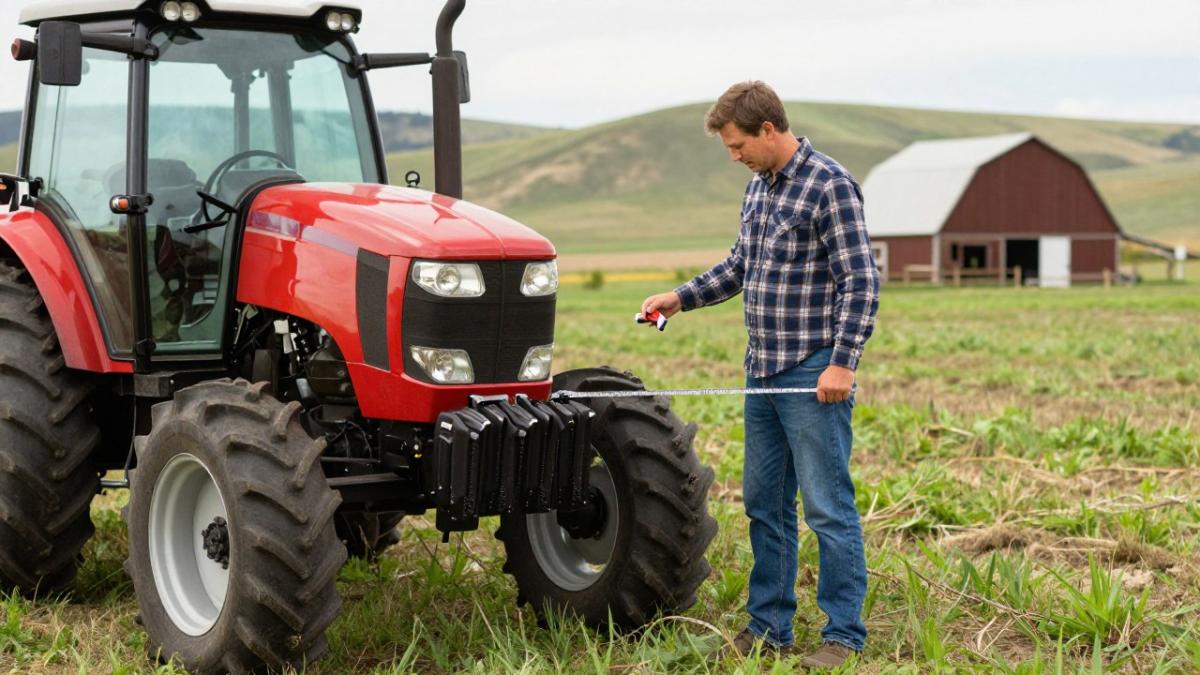
Match Horsepower to Acreage and Tasks
PTO horsepower runs your implements, so match it to the widest implement you plan to run, and size the frame to your steepest slope.
Subcompact, Compact, or Utility: Which Frame Fits?
- Subcompact: tight lawns, garden plots, light loader work
- Compact: the homestead workhorse for mowing, tilling, hauling, snow removal
- Utility: bigger acreage, hay work, heavier loader capacity
Terrain, Loader Capacity, and Drive Type
Slopes, wet soil, and snow decide more than acreage. Check loader lift capacity against what you actually move, and pick the transmission type that suits your work. For a deeper walkthrough, see our guide on choosing a compact tractor for small farm work, or browse the Bad Boy tractor lineup.
| Tractor Class | Typical Acreage | Best For | Watch Out For |
|---|---|---|---|
| Subcompact | Under 10 | Lawns, gardens, light loader | Limited lift capacity |
| Compact | 10-40 | Mowing, tilling, hauling, snow | Weight on steep slopes |
| Utility | 40+ | Hay, heavy loader, field work | Trailer and storage size |
Matching Small Farm Tractor Implements to Your Workload
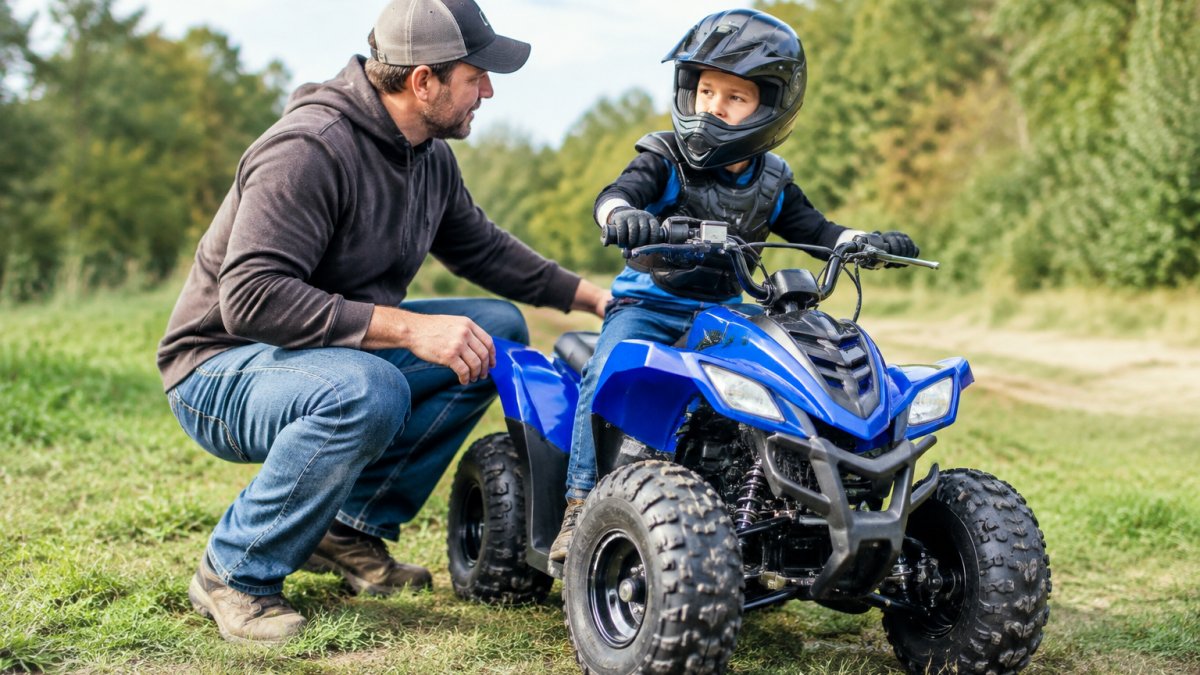
Implements define the real cost, so list your tasks before you shop. A rotary cutter, tiller, box blade, and post-hole digger cover most homestead jobs, each with a minimum horsepower and hitch category requirement. Read the OSHA tractor safety guidance before hooking up anything. When lighter hauling or quick trips between fields do not call for a tractor, an ATV can fill the gap, and Flemington Powersports connects that choice to the same farm-work priorities.
Hitch category and hydraulic flow determine what attaches cleanly; a common mistake is buying an implement the tractor can lift but not run. When ready, browse our implements category.
Finding the Best Used Tractor for a Small Farm
A used tractor stretches your budget, but only if you inspect it properly. Check hours, tire wear, hydraulic leaks, PTO operation, and service records, then confirm parts availability and dealer support.
Buying used online without a mechanical inspection is how people inherit someone else's transmission problem. Browse our tractor inventory or the broader lawn and tractors selection once you know your size.
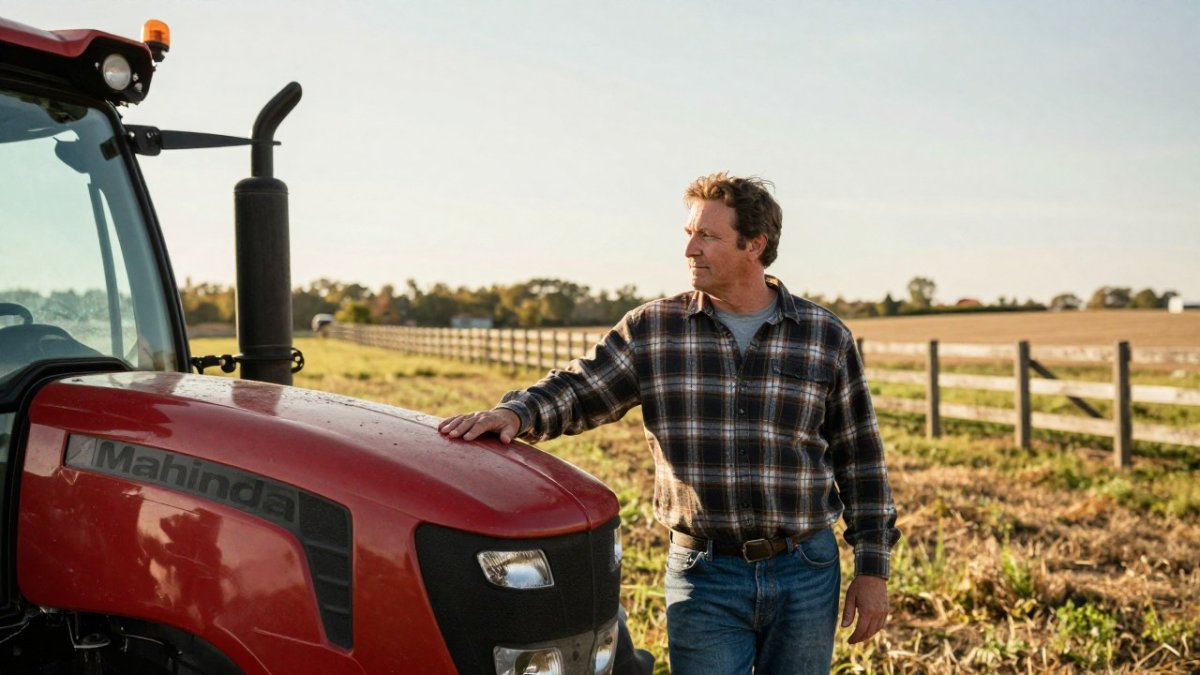
Sizing a tractor for a small farm comes down to acreage, tasks, terrain, and honest budget math. If you're near Le Roy and want help matching a machine to your property, 7S PowerSports, LLC carries Bad Boy and Mahindra tractors, runs a full parts and service department, and is an authorized NYS motorcycle inspection station. Get started with 7S PowerSports, LLC and find the tractor that fits your land.
Frequently Asked Questions
What is the best all-around tractor for a small farm?
A compact tractor in the 25 to 45 horsepower range with four-wheel drive and a hydrostatic transmission handles most small farm jobs. It has enough power to run a rotary cutter, tiller, and front-end loader while staying narrow enough for tight spaces. Match the tractor to your most frequent tasks and acreage before deciding on a specific model.
How do I choose the right size tractor for my farm?
Start by listing your routine tasks and the implements each one requires, then check the PTO horsepower and hydraulic flow those implements need. Consider your acreage, slope, and soil conditions. A subcompact suits 1 to 5 acres, a compact fits 5 to 20 acres, and a utility tractor makes sense above that. Test drive before you buy.
What features should I look for in a used small farm tractor?
Check the hour meter, service records, and tire wear. Inspect the three-point hitch and hydraulic system for leaks, test the PTO under load, and verify parts availability for that model. Four-wheel drive and a known dealer network add long-term value. A pre-purchase inspection by a qualified mechanic is worth the cost on any used tractor.